Every video by Squat University, as an article.
30 articles-
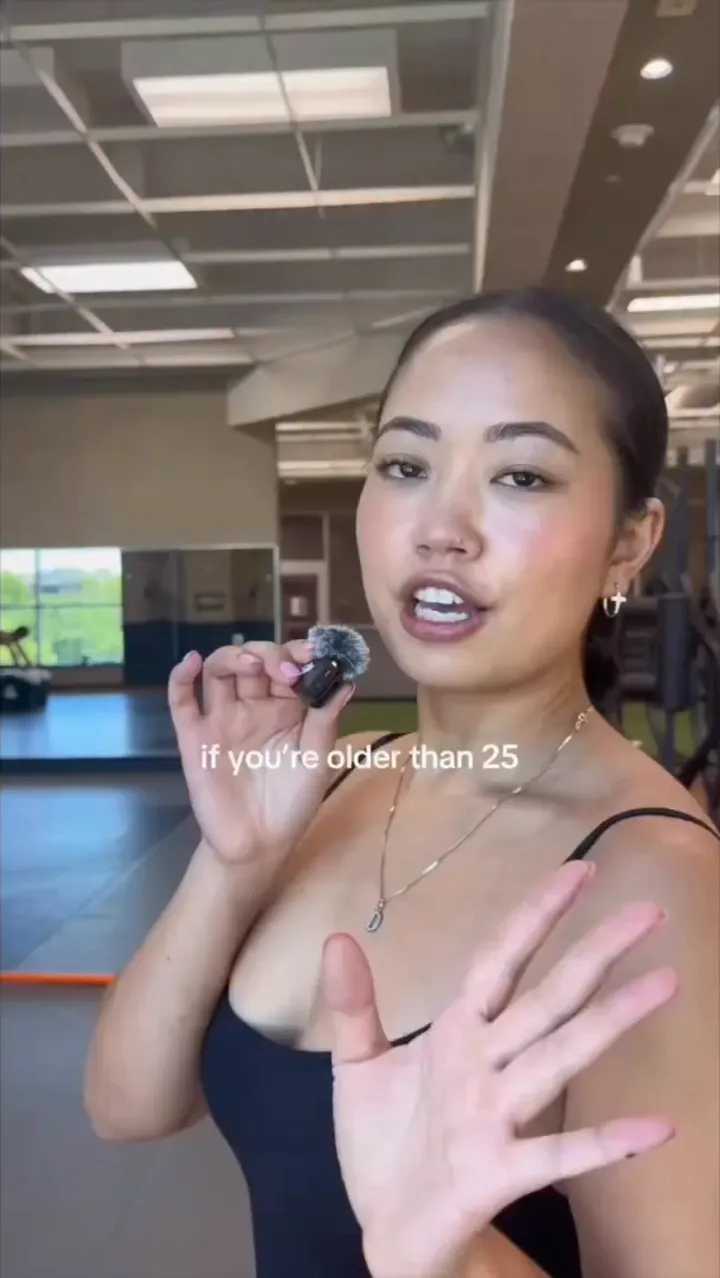
Tight Hips and Lower Back Pain: How to Fix the Link
Squat University breaks down a real patient case where hip mobility restriction, not the back itself, was causing lower back pain during a bird dog exercise. He explains the Faber test used to diagnose it and shares a simple hip-opening stretch that eliminated her pain immediately upon retesting.
-
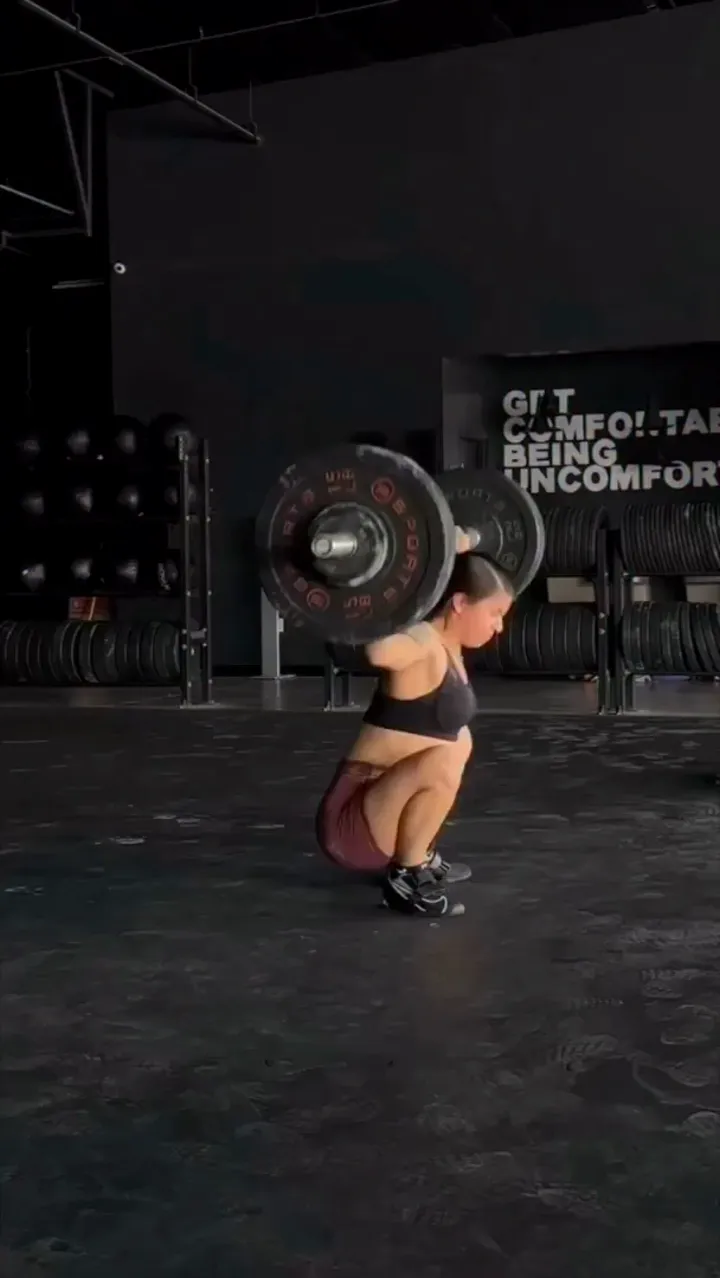
Shoulder Subluxation From the Snatch: Real Fix Explained
Dr. Aaron Horschig breaks down how he treated a weightlifter's recurring shoulder subluxations from the snatch after three physical therapists told her to just stop lifting. He found her posterior rotator cuff was weak and rebuilt stability using position-specific paused presses and an Earthquake Bamboo Bar.
-
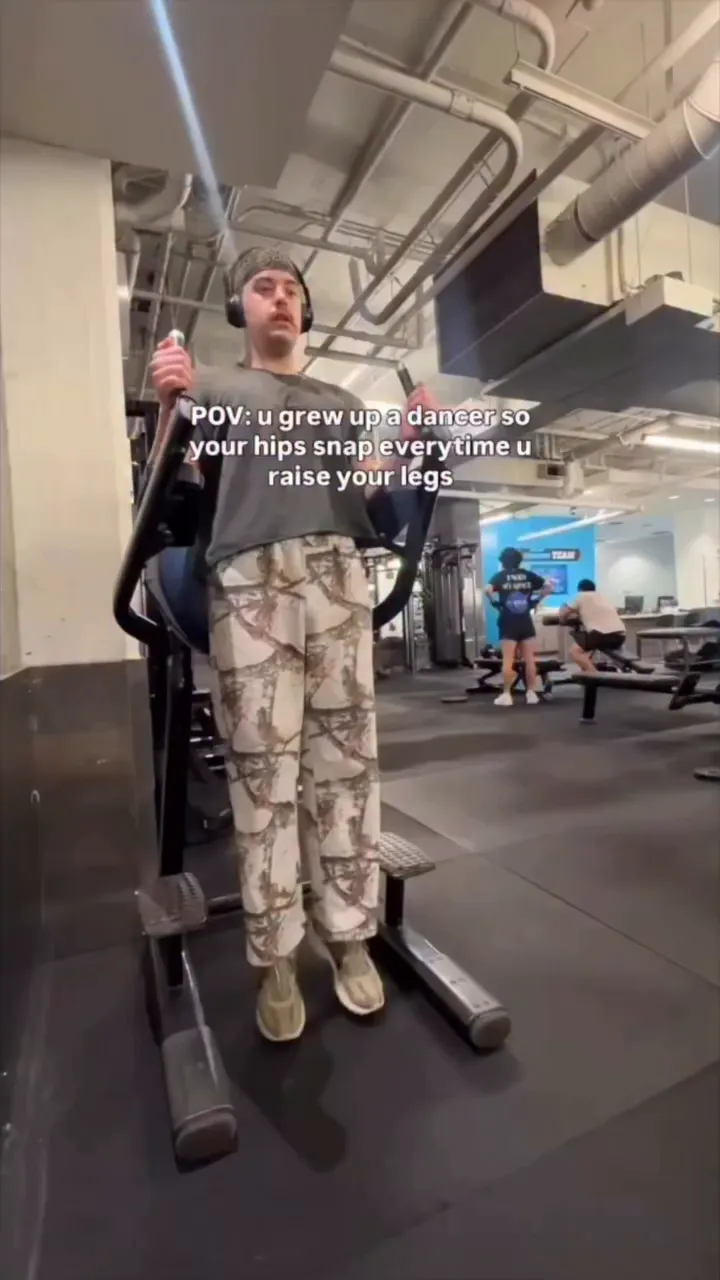
Hip Popping During Hip Flexor Exercises: Causes & Fix
Dr. Aaron Horschig (Squat University) breaks down a real patient case of hip popping and pain during a hip flexor exercise, tracing it to the iliopsoas tendon snapping over a bony pelvic prominence. He shares the exact lateral hip stability exercise — a side plank with a small squat pause — that resolved the pain and popping.
-
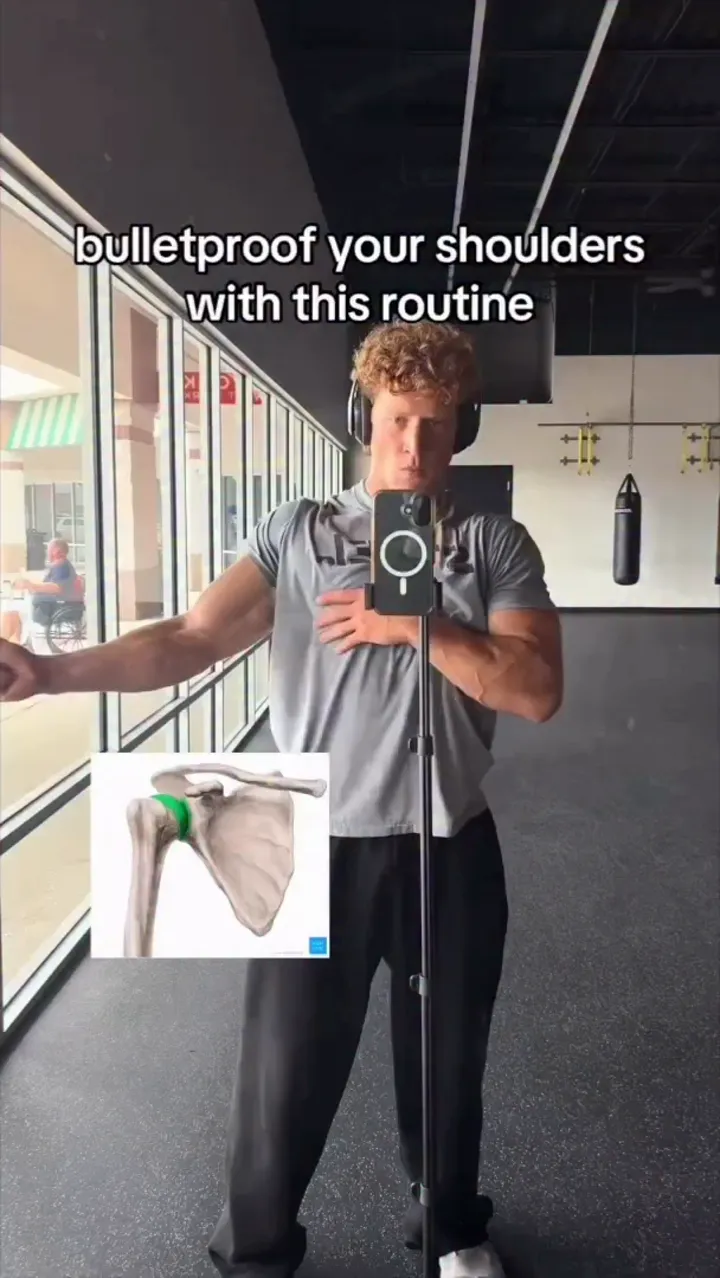
Rotator Cuff Exercise to Fix Bench Press Shoulder Pain
Squat University shows how a weak posterior rotator cuff caused a patient's 2 years of shoulder pain during bench press, and how a towel-supported external rotation hold — 5 seconds at end range — fixed it. Paired with a slow reload of the bench, the patient got back to 100% pain-free.
-
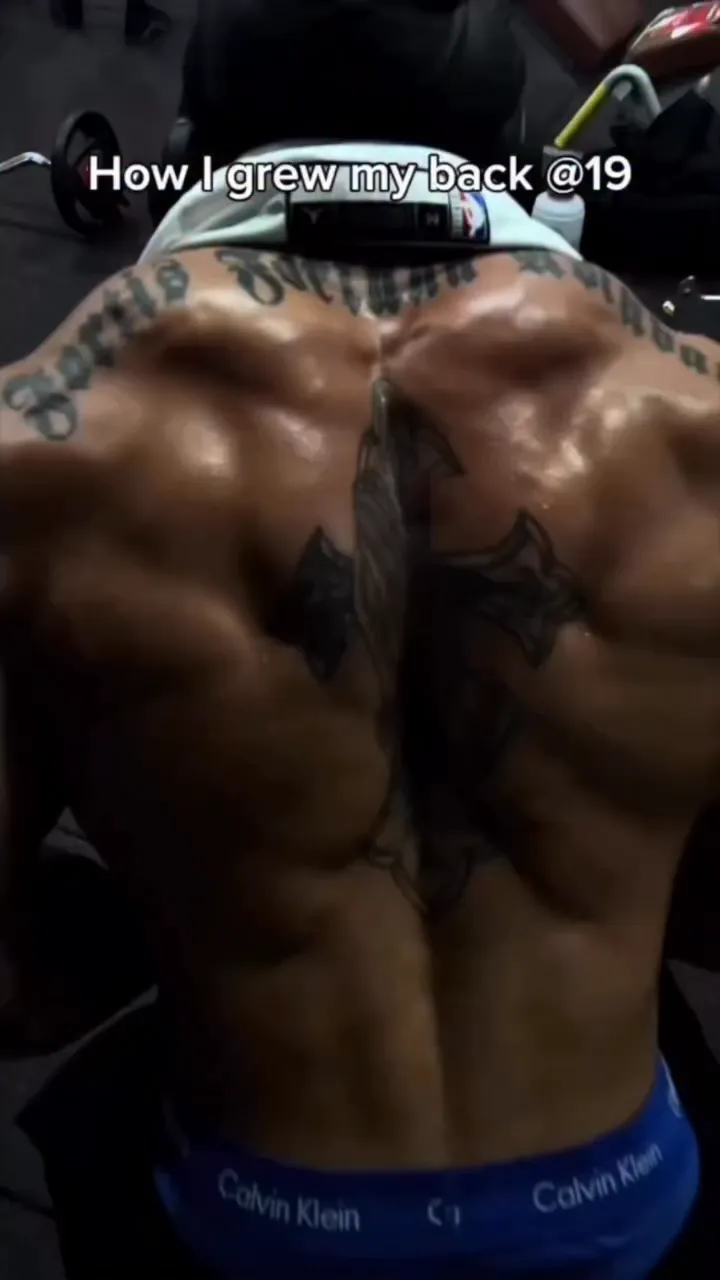
Erector Muscle Activation: Bill Kazmaier's Fulcrum Trick
Squat University breaks down a fulcrum board exercise, picked up by Dr. Stuart McGill from strongman Bill Kazmaier, that targets the erector muscles standard lat exercises and even deadlifts miss. Because each spine segment has its own nerve, this technique can push a specific erector compartment toward 100% activation, versus the 60-70% seen from a deadlift or RDL.
-
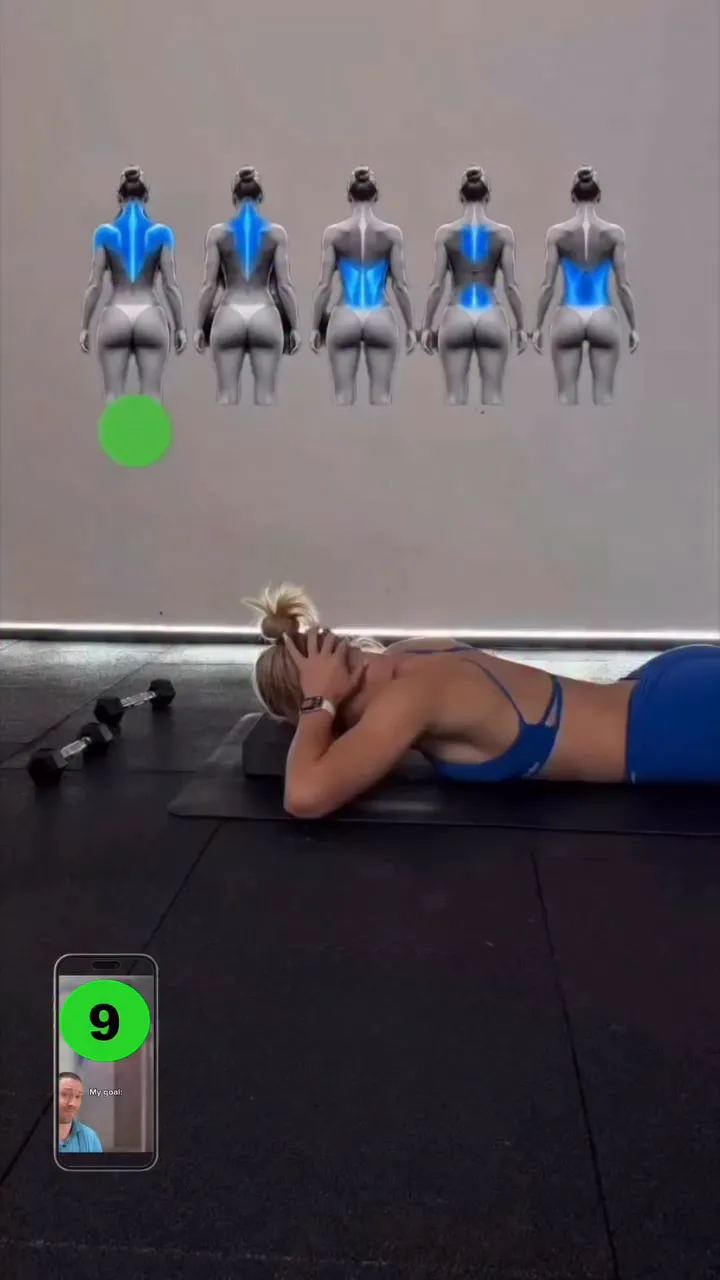
Lower Trap Exercise to Fix Shoulder & Neck Pain
Dr. Aaron Horschig of Squat University shares a simple mid-back exercise that targets the lower trapezius, a muscle most lifters ignore in favor of the upper traps. Done correctly, it can help correct shoulder blade tipping linked to shoulder and neck pain, with an easy band progression for added resistance.
-
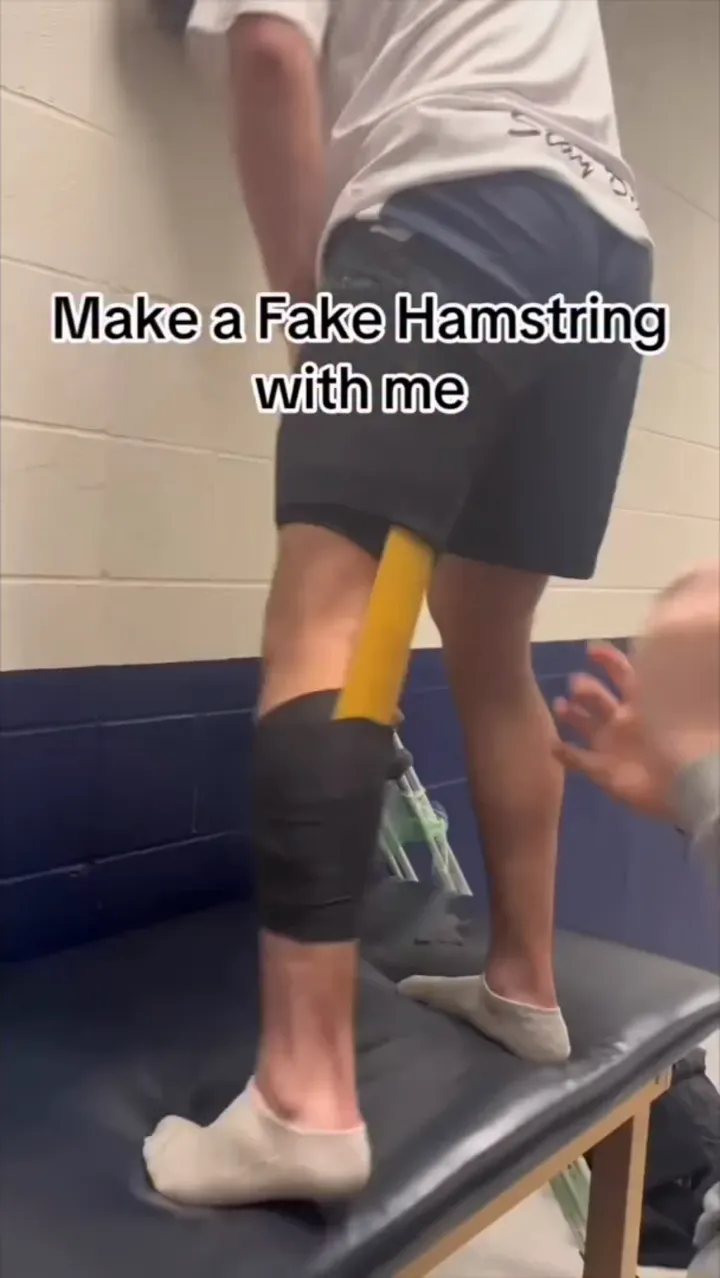
4 Hamstring Rehab Exercises After a Strain or Tear
Squat University walks through four rehab exercises — the hamstring bridge, single leg bridge with slider, single leg RDL, and Nordic curl — to rebuild the hamstring after a strain or tear, with exact hold times, tempos, and form cues for each.
-
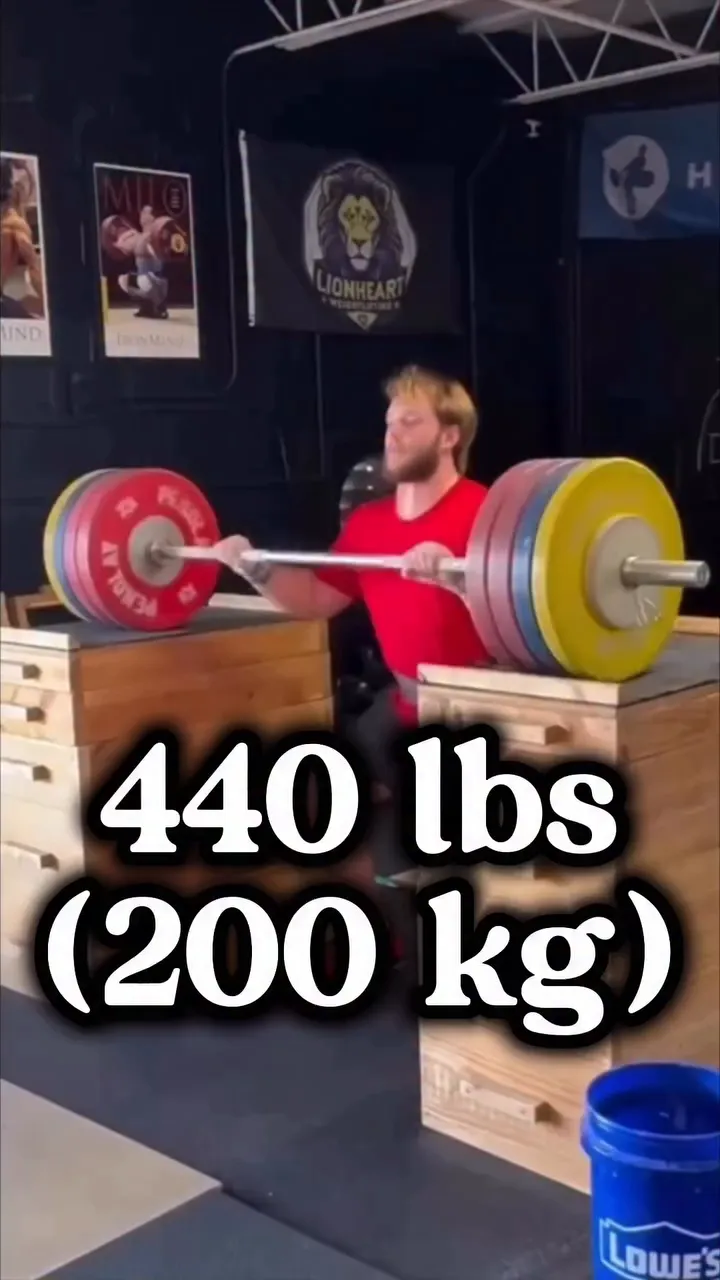
Why Strong Lifters Still Get Back Pain (Spine Test Guide)
Squat University breaks down a real case study on Carson, an incredibly strong weightlifter who developed back pain despite his strength. Step-by-step spine and hip testing revealed lumbar flexion intolerance, shear load instability, and left hip dysfunction — fixed with the McGill Big 3 routine and hip airplane exercises.
-
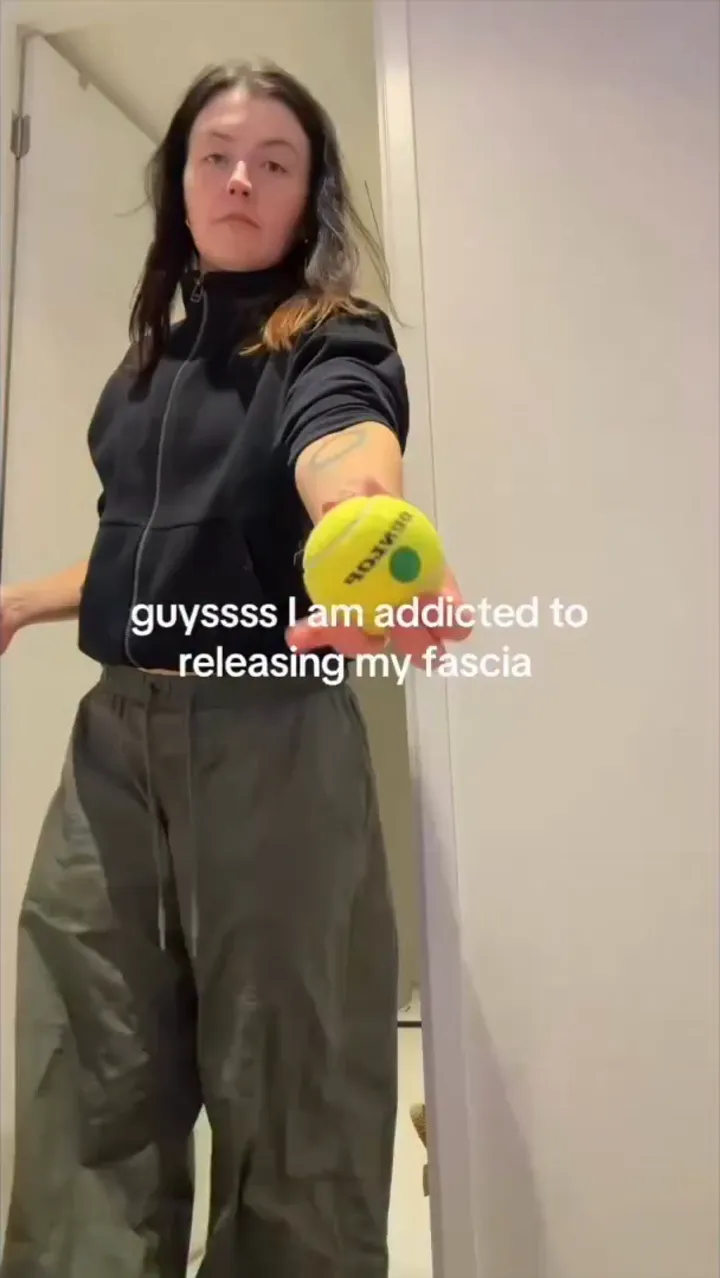
Upper Trap Pain: Fix the Shoulder Blade Root Cause
A physical therapist explains why one patient's upper trap pain when turning her head left traced back to an unevenly positioned shoulder blade, not the trap muscle itself. The fix combined 1 minute of lacrosse ball soft tissue work with a serratus punch exercise to correct the movement root cause.
-
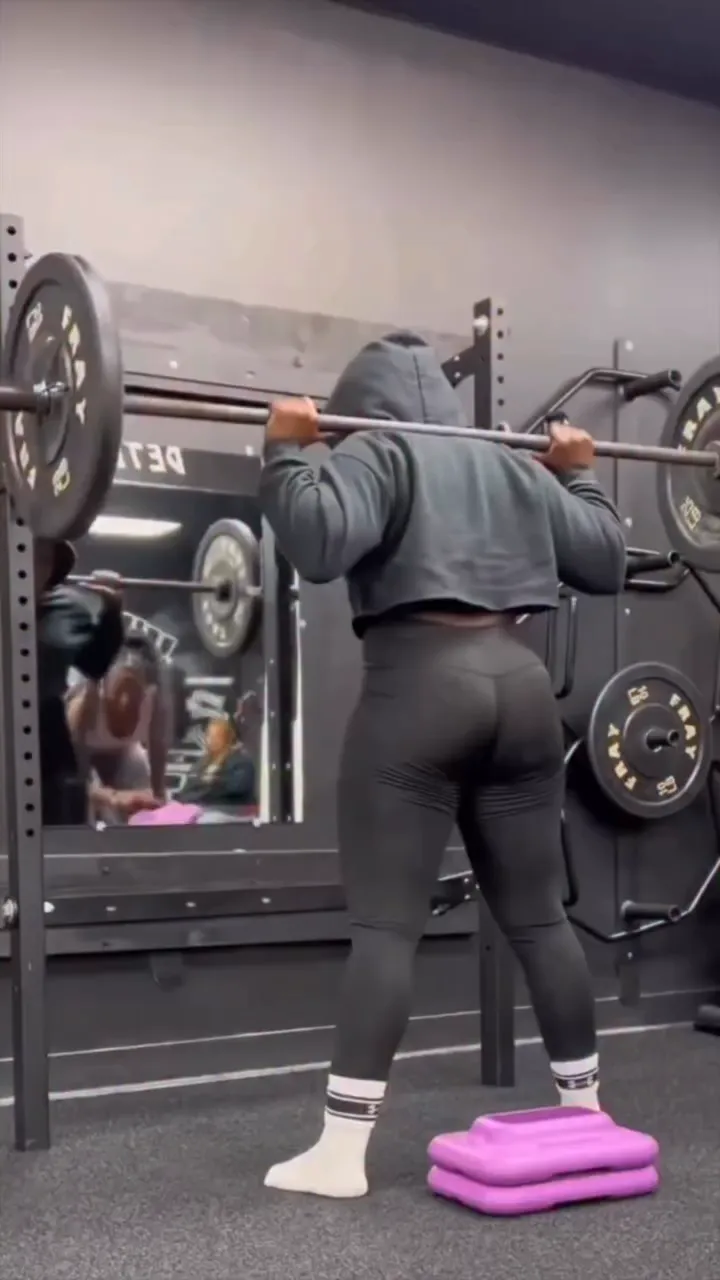
Heel Lifts Off Ground During Squat? Ankle Fix
Dr. Aaron Horschig of Squat University explains why a heel can pop off the floor during a squat and walks through a real patient case where restricted ankle mobility — not tight calves — was the cause. He shows the exact ankle joint mobilization he used to restore normal ankle glide and immediately deepen the squat.
-
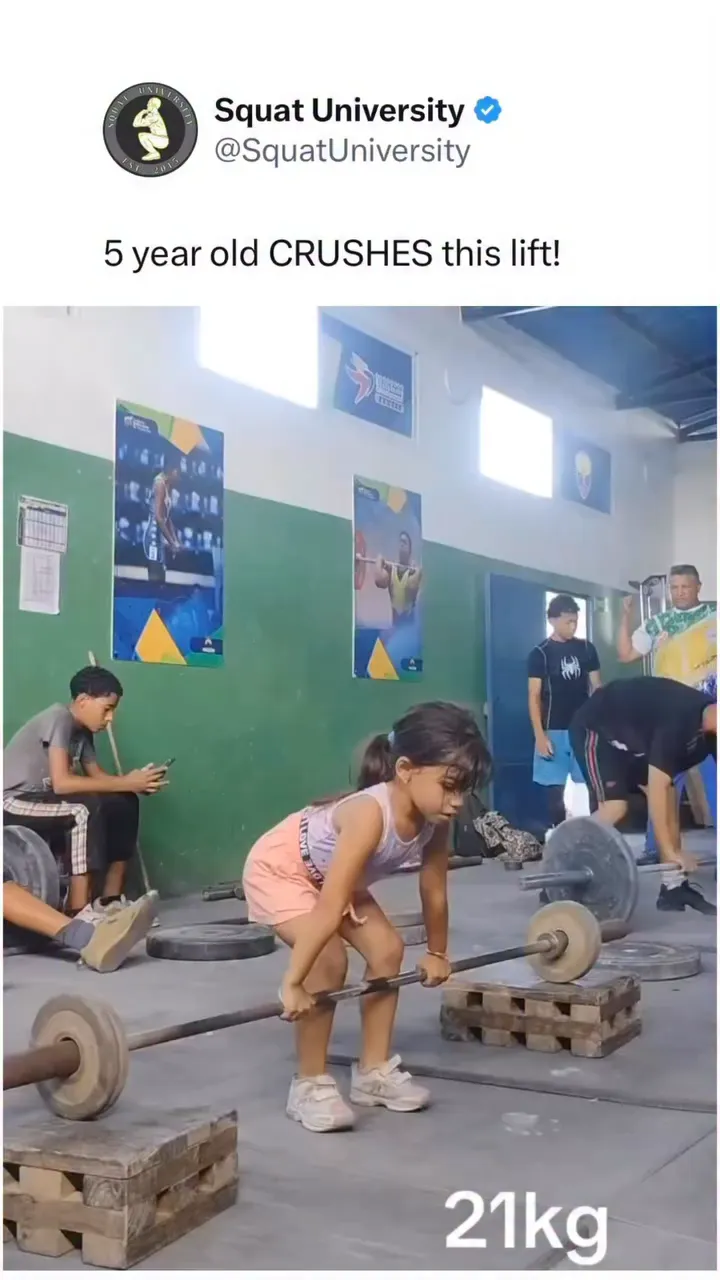
Does Lifting Weights Stunt Growth? Squat University Says No
Squat University's Dr. Aaron Horschig addresses a common parenting fear: that strength training will stunt a young athlete's growth. The clip, featuring athlete @biancaocando.18, is captioned with a direct reassurance that lifting weights does not stunt growth when done well.
-
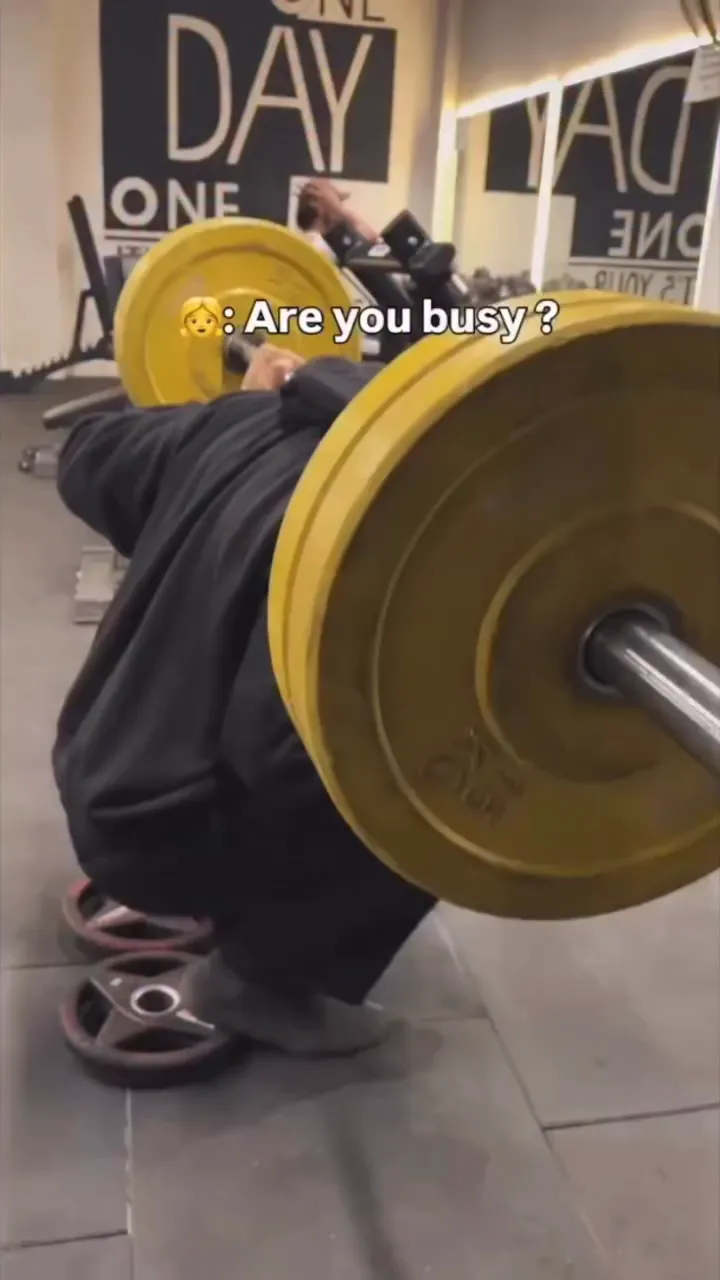
Pause Squats: 2 Reasons to Add Them to Your Training
Squat University breaks down two reasons to add pause squats to your training: as a warm-up tool to prime mobility and stability, and as a strength-builder that removes the bounce so you build pure strength in your hardest position. He also walks through the breathing pattern for a 5 to 10 second pause squat.
-
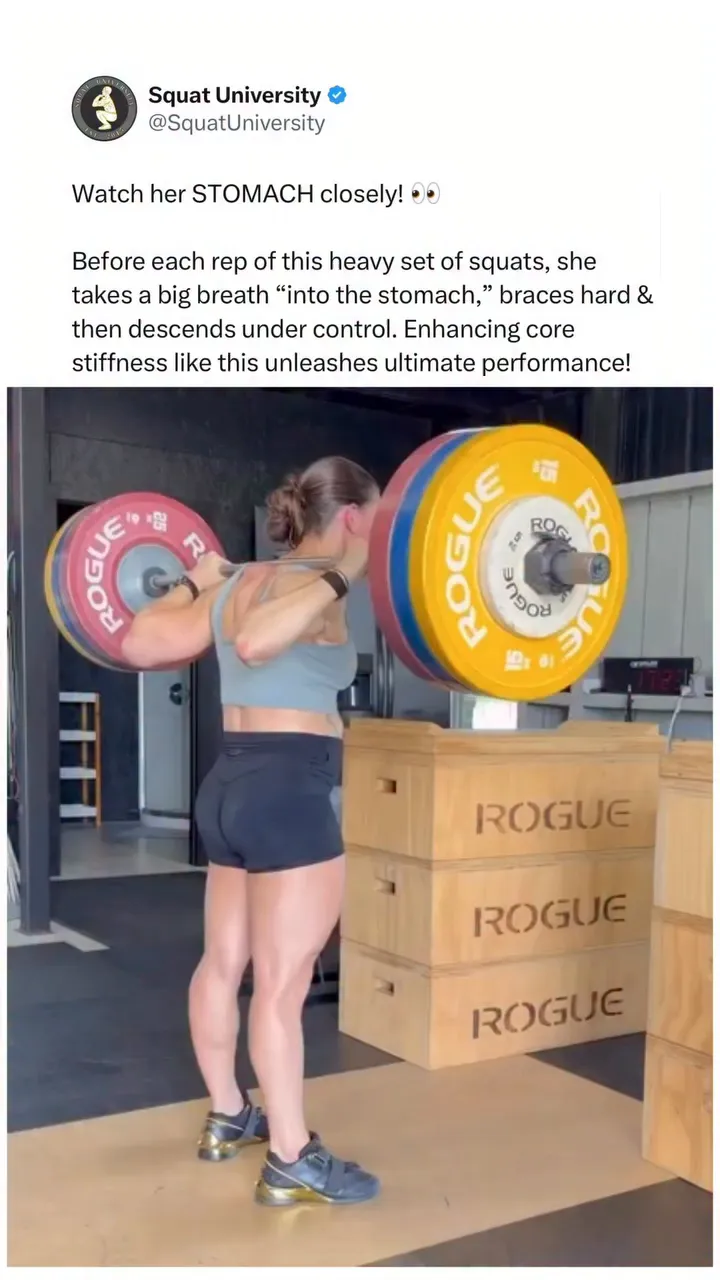
Excellent Squat Mechanics with Big Weight Explained
Squat University (Dr. Aaron Horschig) highlights Rebecca Rouse's squat as an example of excellent mechanics under big weight, calling out her technique in the video caption. He also credits his Elite Carbon Lifters, a weightlifting shoe he helped design with a wide toe box, as the footwear used in the lift.
-
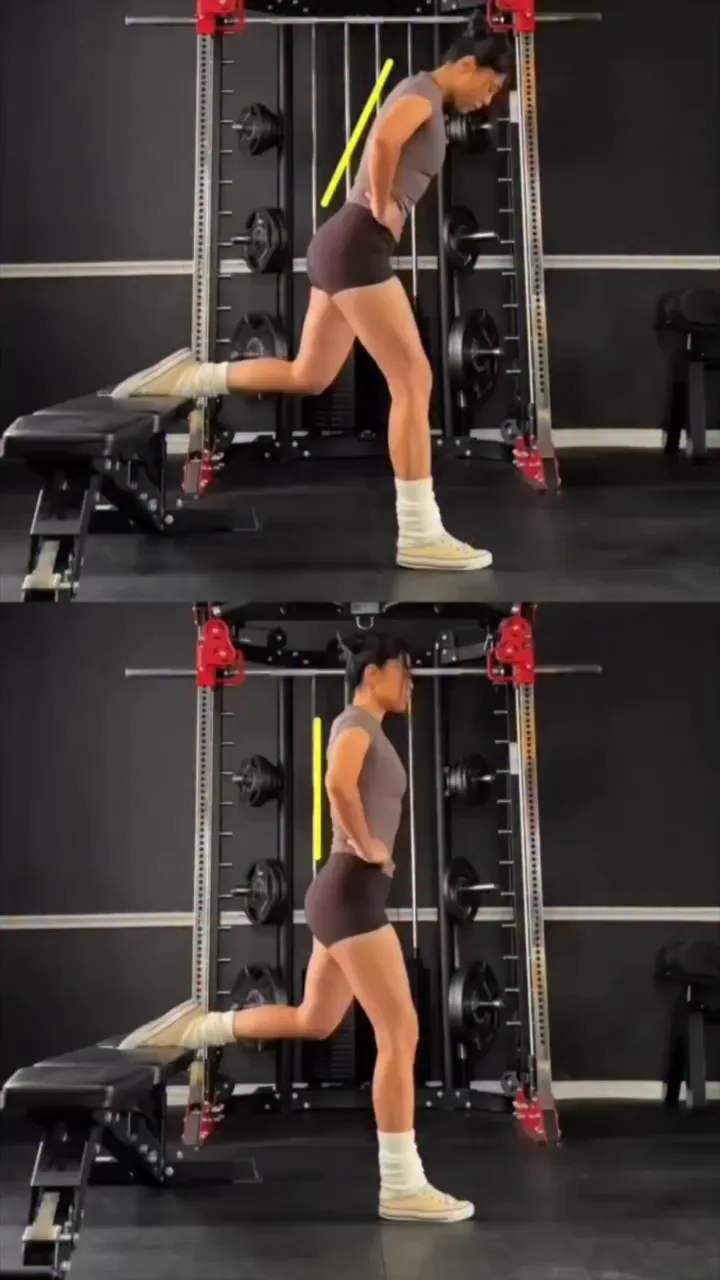
Bulgarian Split Squat: Fix Back Leg Stretch Feeling
Squat University breaks down a common Bulgarian split squat problem: feeling an aggressive stretch in the back leg instead of working the front quad and glute. The fix is a simple front-foot "spring" cue and a small hip hinge that redirects load to the working leg.
-
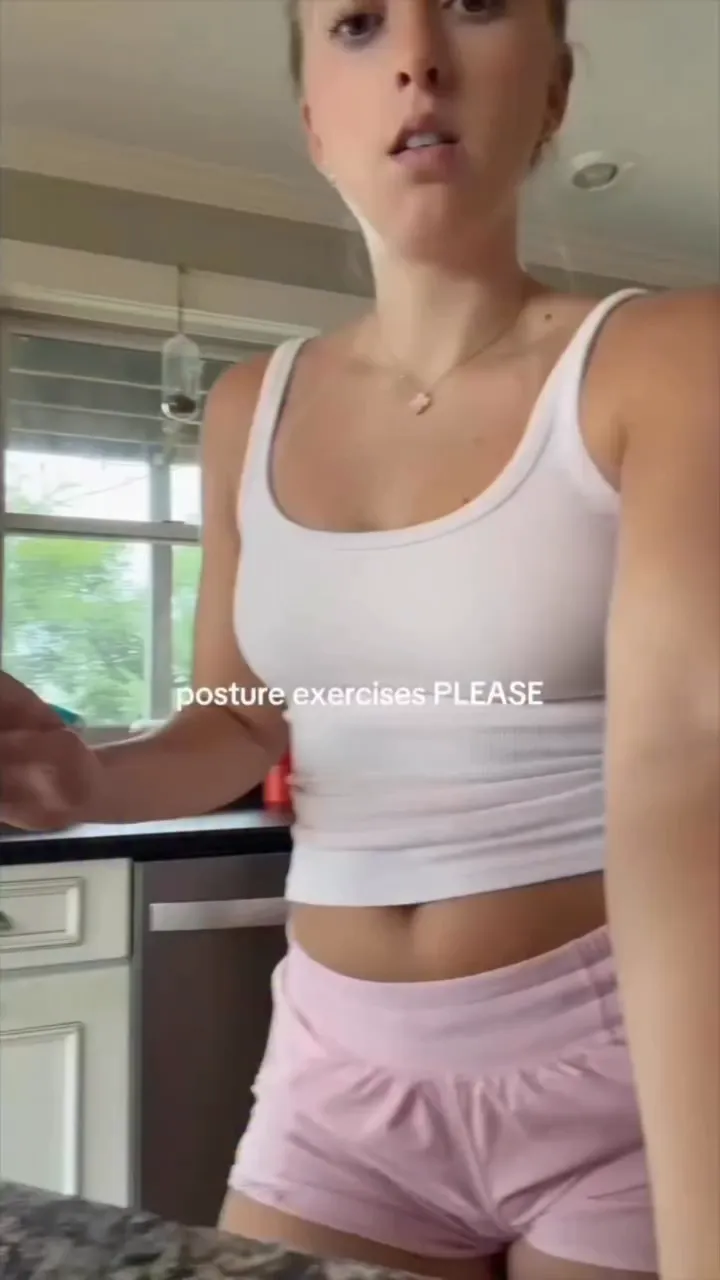
How to Fix Rounded Shoulders: Pec Minor & Lower Trap
Squat University breaks down why shoulders roll forward — a tight pec minor paired with a weak lower trap — and how that misalignment can spark shoulder or neck pain. The fix pairs soft tissue ball work on the pec minor with prone Y raises to strengthen the lower trap and pull the scapula back into place.
-
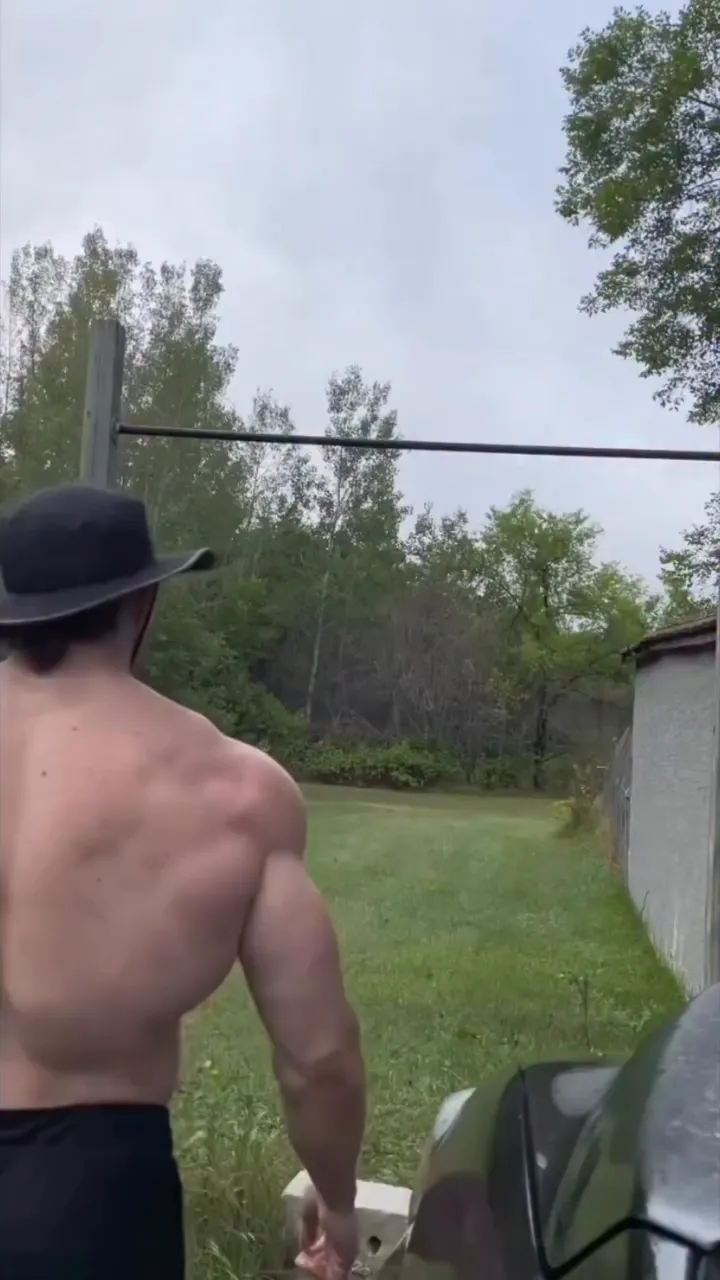
Hip Mobility and Low Back Pain During Squats
Dr. Aaron Horschig (Squat University) breaks down a real patient case where right-sided low back pain during squats was actually caused by limited right hip mobility, not a weak back. He explains the testing process, the movement diagnosis, and the exact three-exercise fix that let the patient squat 135 lbs pain-free the same day.
-
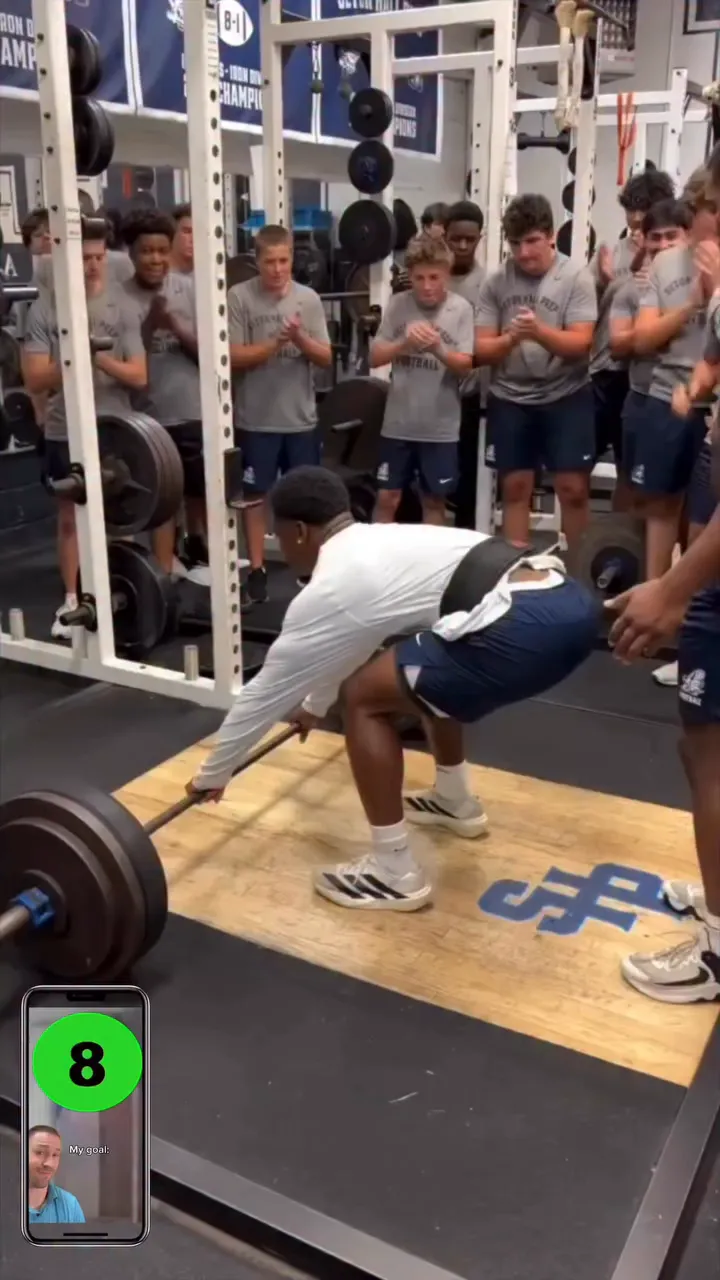
Running Shoes vs Weightlifting Shoes: Which Is Better?
Squat University breaks down why a strong athlete's clean is being held back by cushioned running shoes, and how a stiff-soled weightlifting shoe like the Tyr Sport L-2 improves force transfer, technique, and stability during heavy lifts.
-
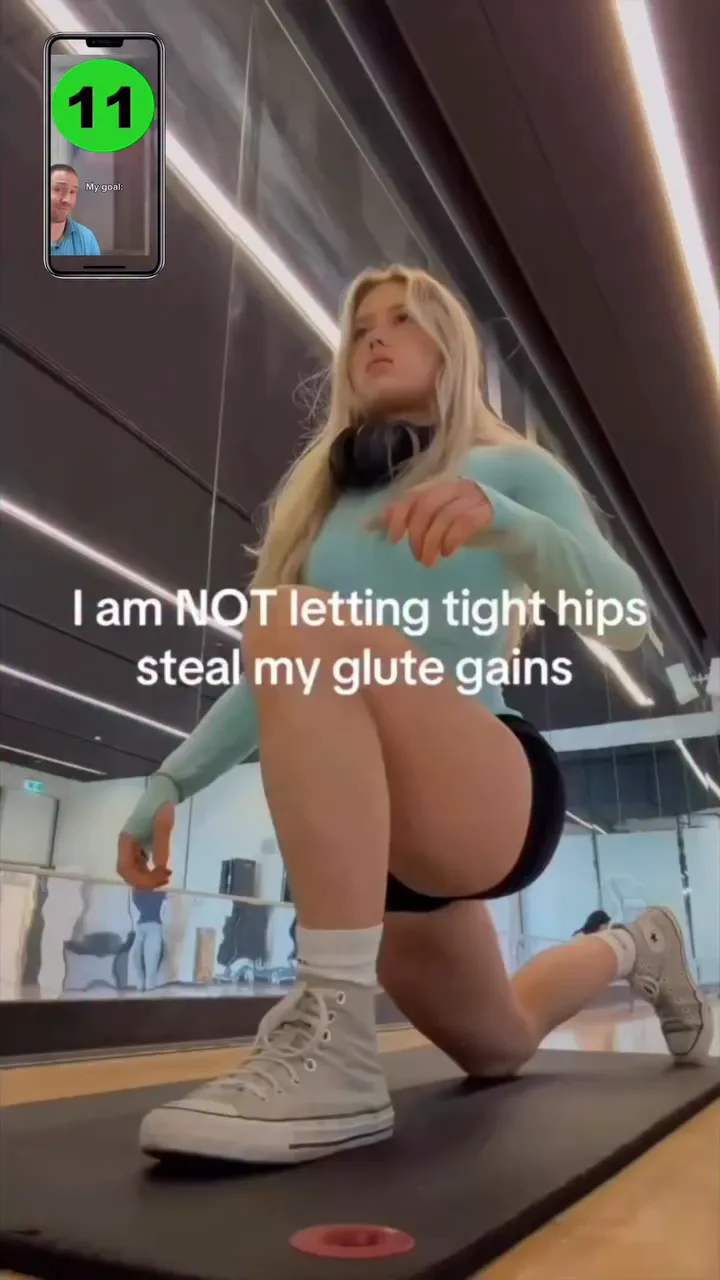
Tight Hip Flexors Blocking Glute Activation? Fix It
Dr. Aaron Horschig of Squat University explains how tight hip flexors can inhibit glute activation, using a real patient case where left-sided hip tightness kept her glute from firing on deadlifts. He shows the Thomas test to assess hip flexor length and a simple stretch that restored her glute activation after just 5 reps.
-
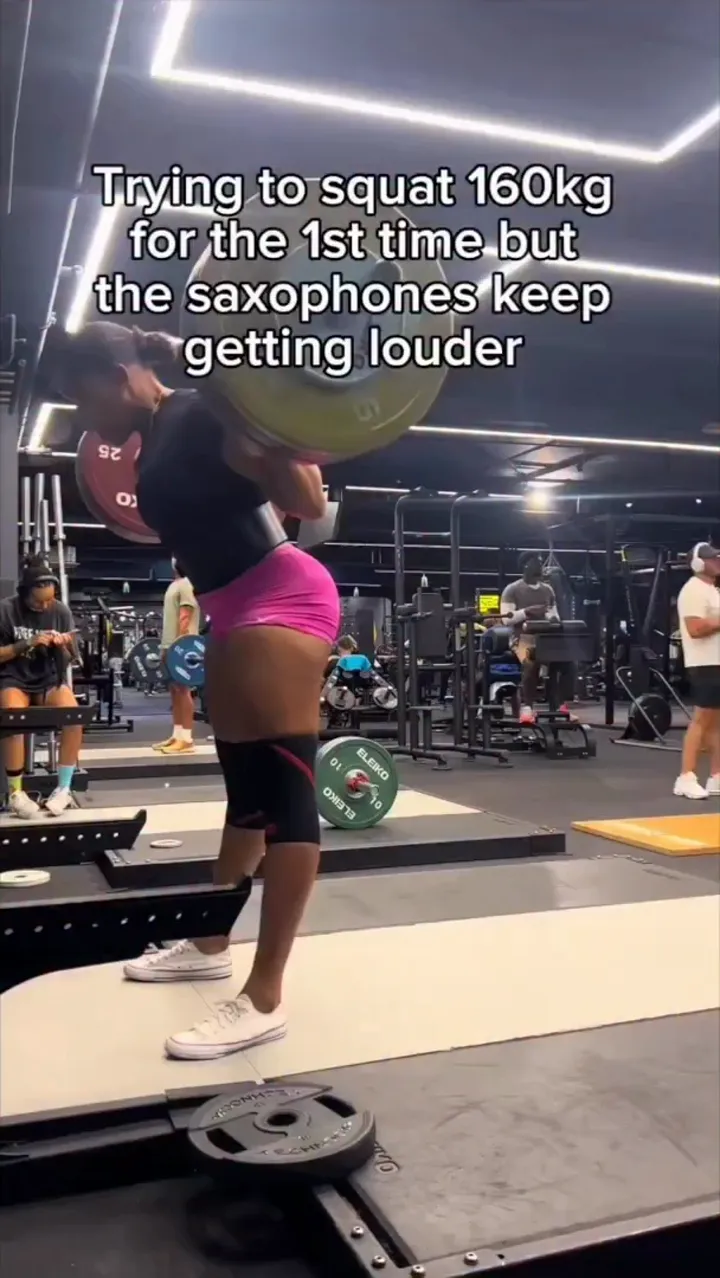
How to Safely Bail a Squat Without Getting Hurt
Squat University breaks down the correct way to bail a failed squat: thrust your hips forward, throw the bar backward toward the safety bars, and let go cleanly. The video warns against throwing the bar over your head, a mistake the creator says has caused a bodybuilder's death when the bar rolled forward onto his neck.
-
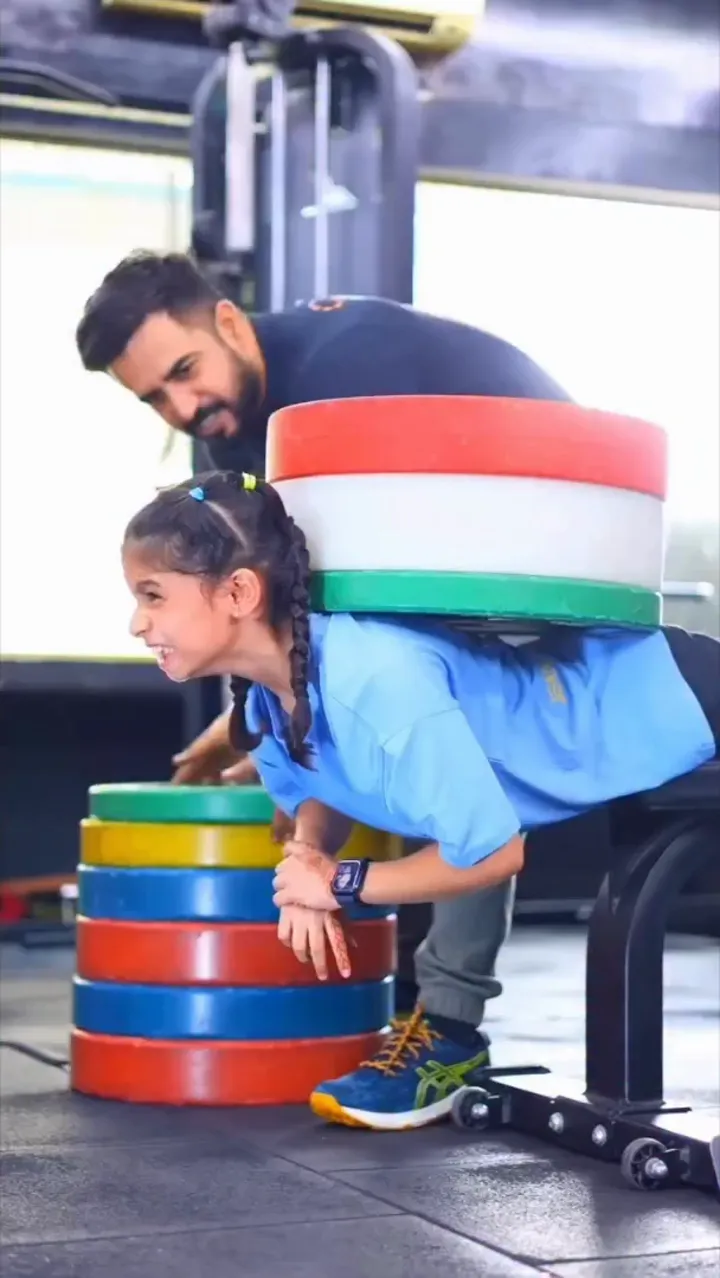
Sorensen Test: How Long Should You Hold It?
Squat University breaks down the Sorensen test, a decades-old assessment of low back muscular endurance performed on a GHD machine or Roman chair. According to the creator, research shows back endurance—not back strength—is the more protective factor against future low back pain, with 3 minutes cited as the benchmark for strong athletes.
-
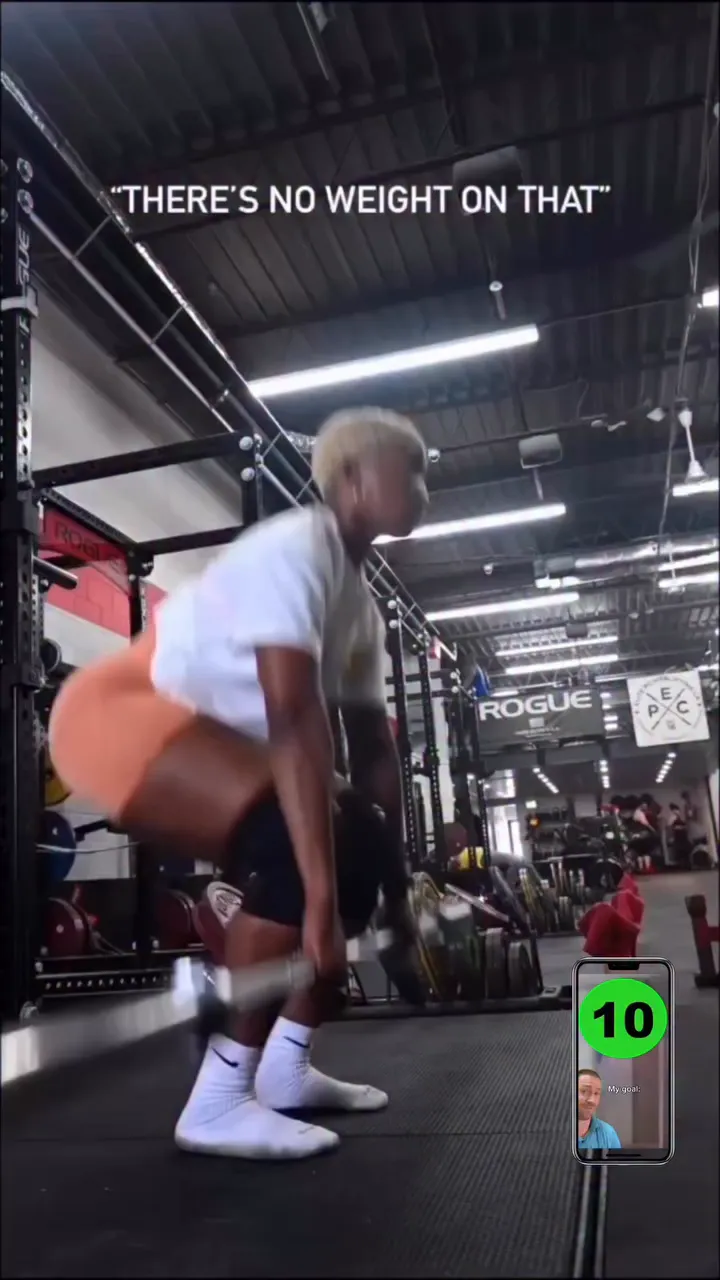
Banded Lat Drill: The Best Deadlift Warm-Up Cue
Squat University breaks down a simple banded drill, learned from an elite powerlifter, that teaches lifters to feel lat engagement before pulling. Using a light band attached to a rig, you pull your hands back with elbows locked and shoulders down to recreate the exact tension needed at the start of every deadlift.
-
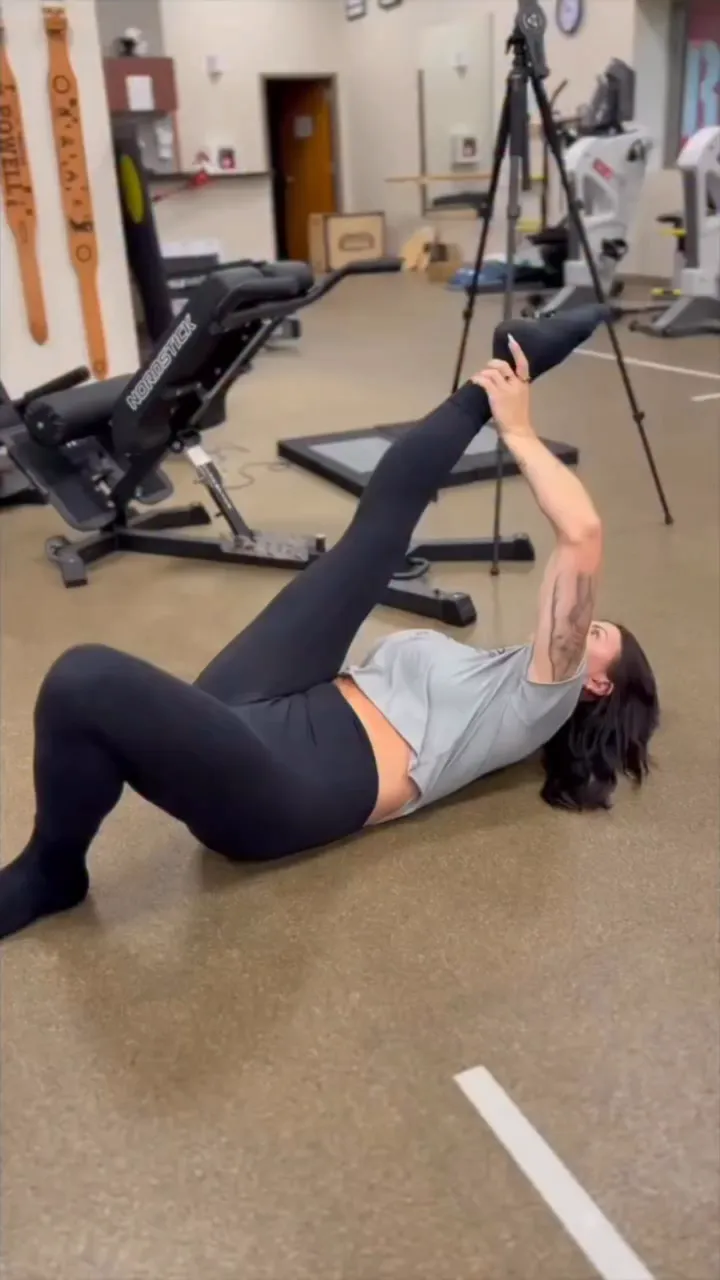
Why Hamstring Stretches Hurt: Glute Activation Fix
Dr. Aaron Horschig of Squat University breaks down a real patient case: a year of painful hamstring stretches and RDLs traced back to poor glute activation on one side. Using a resistance band and reactive neuromuscular training (RNT), he got the glute firing instantly and eliminated the pain in a single session.
-
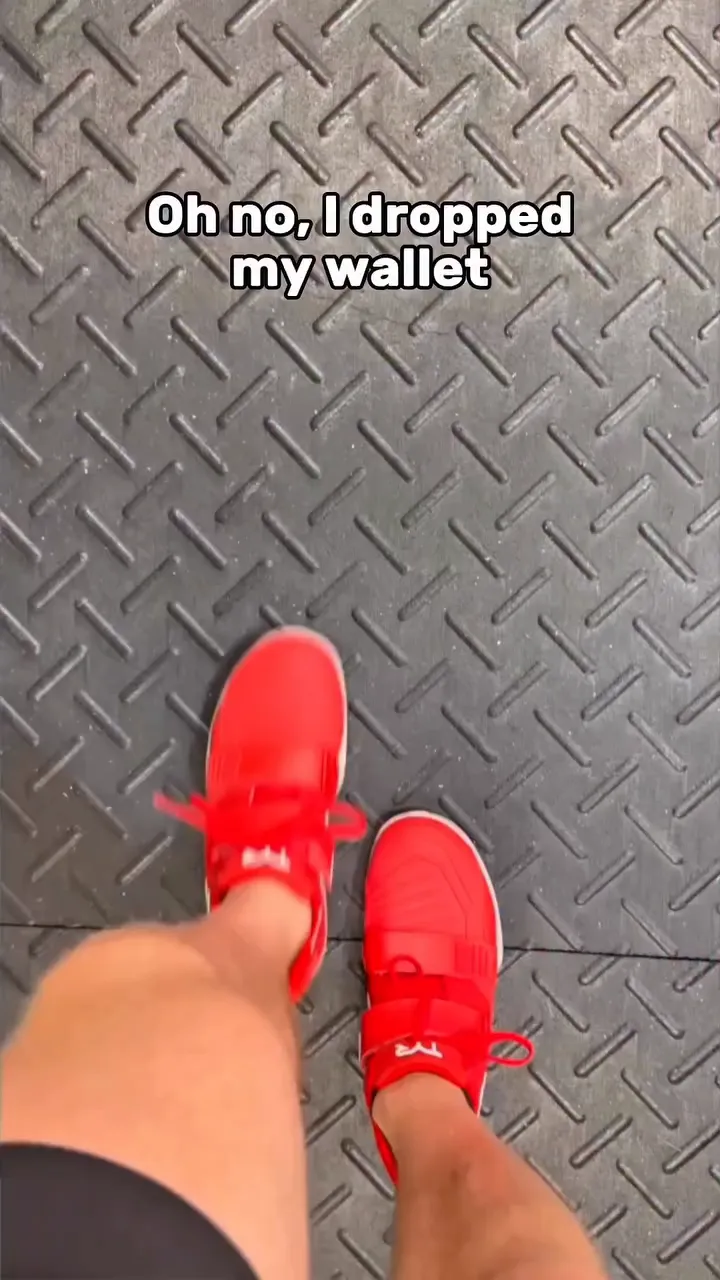
TYR & Squat University Training Bundle Giveaway
Squat University (Dr. Aaron Horschig) has partnered with TYR Sport to give away a full training bundle — a TYR top, bottom, and L-2 lifters. The video's audio is a music track, but the caption lays out a simple four-step entry process for followers who want a shot at winning the gear.
-
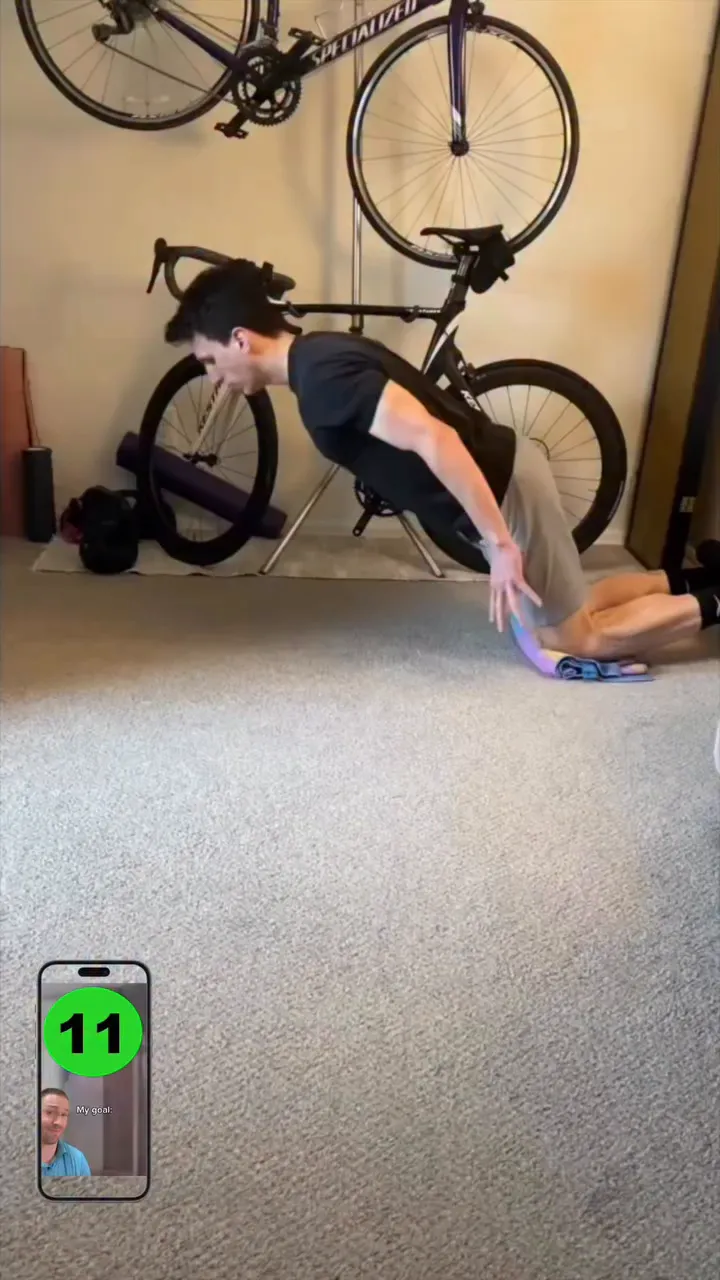
Nordic Curl vs Stiff Leg Deadlift for Hamstrings
Squat University breaks down a study comparing Nordic curls to stiff-legged deadlifts for hamstring growth, showing each exercise targets a different hamstring muscle. He also shares a 30-day, 10-rep Nordic curl challenge and beginner tips for learning the movement, like using a band or a box.
-
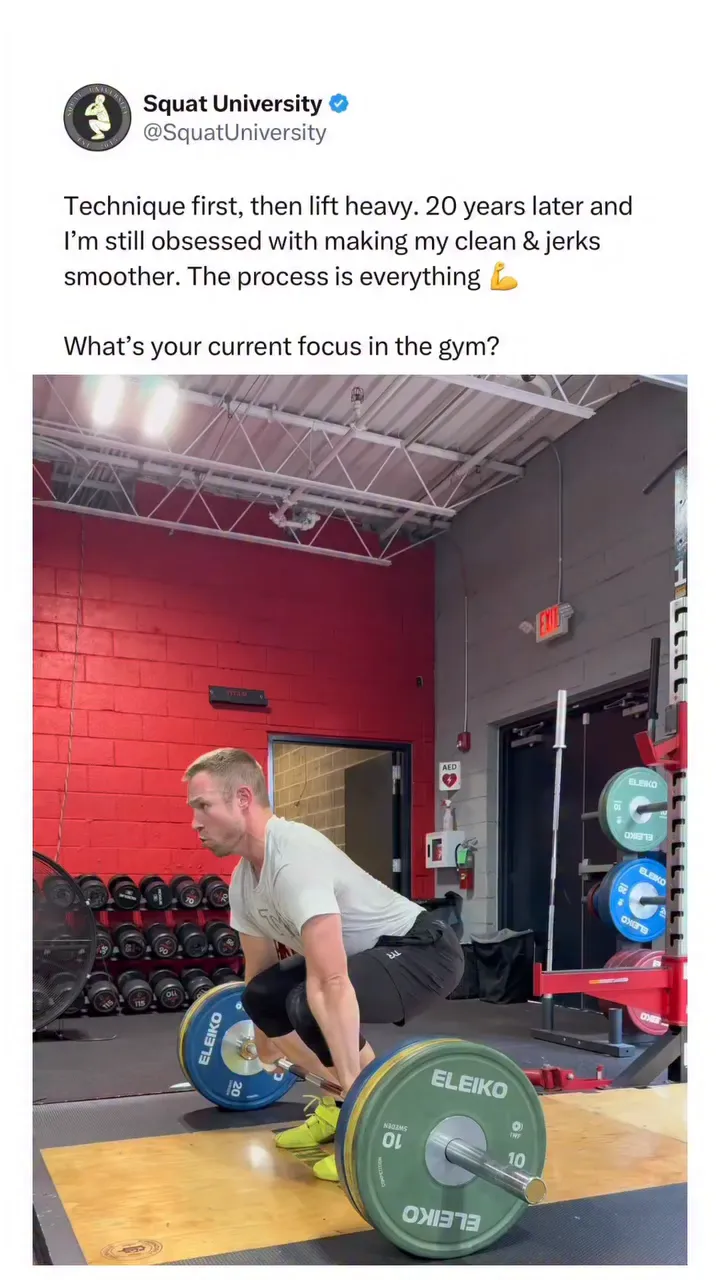
Tyr Elite Carbon Lifters: Wide Toe Box Weightlifting Shoe
In this short clip, Squat University's Dr. Aaron Horschig asks viewers about their current gym training focus and highlights the Tyr Elite Carbon lifters, a weightlifting shoe he helped develop featuring a wide toe box for better foot positioning during lifts.
-
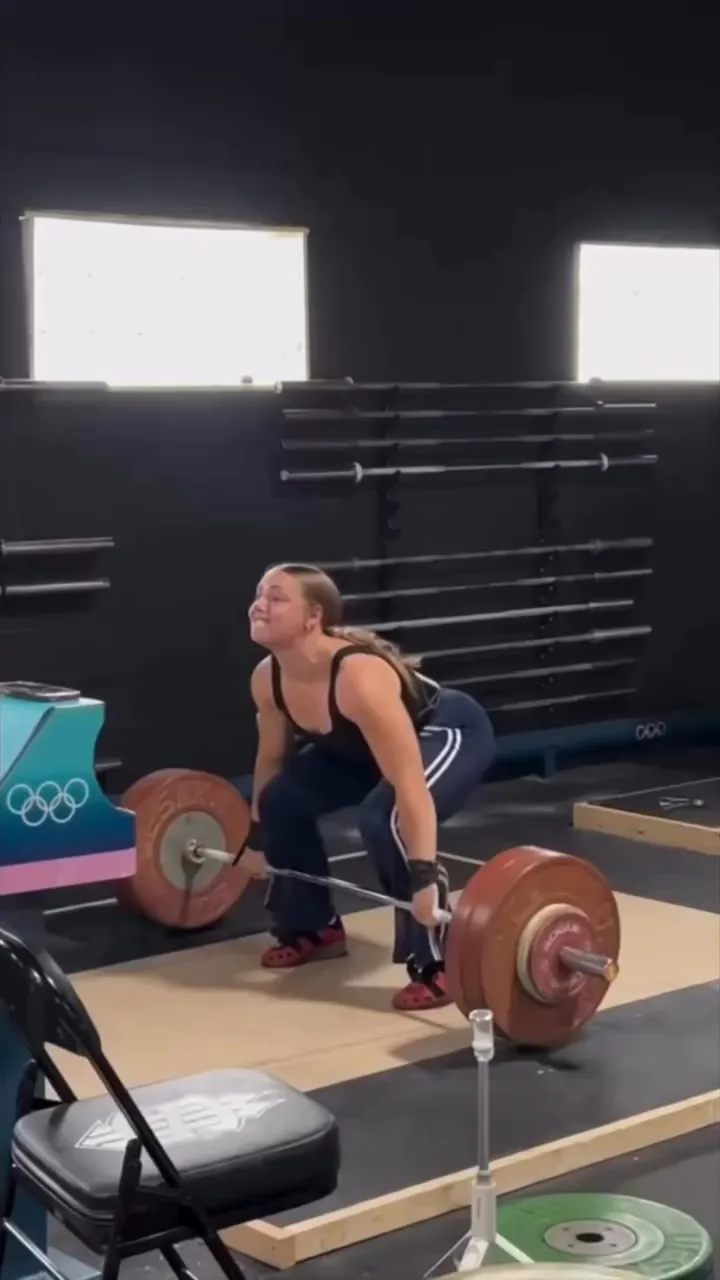
Weightlifter Back Pain: Hip Dysfunction, Not Spine Issue
Dr. Aaron Horschig of Squat University walks through his real examination of a weightlifter with back pain after heavy clean and jerks, showing how spine tests, the Sorensen test, and hip screens pointed to left hip dysfunction rather than a pure back injury, and how he fixed it through stability work instead of stretching.
-
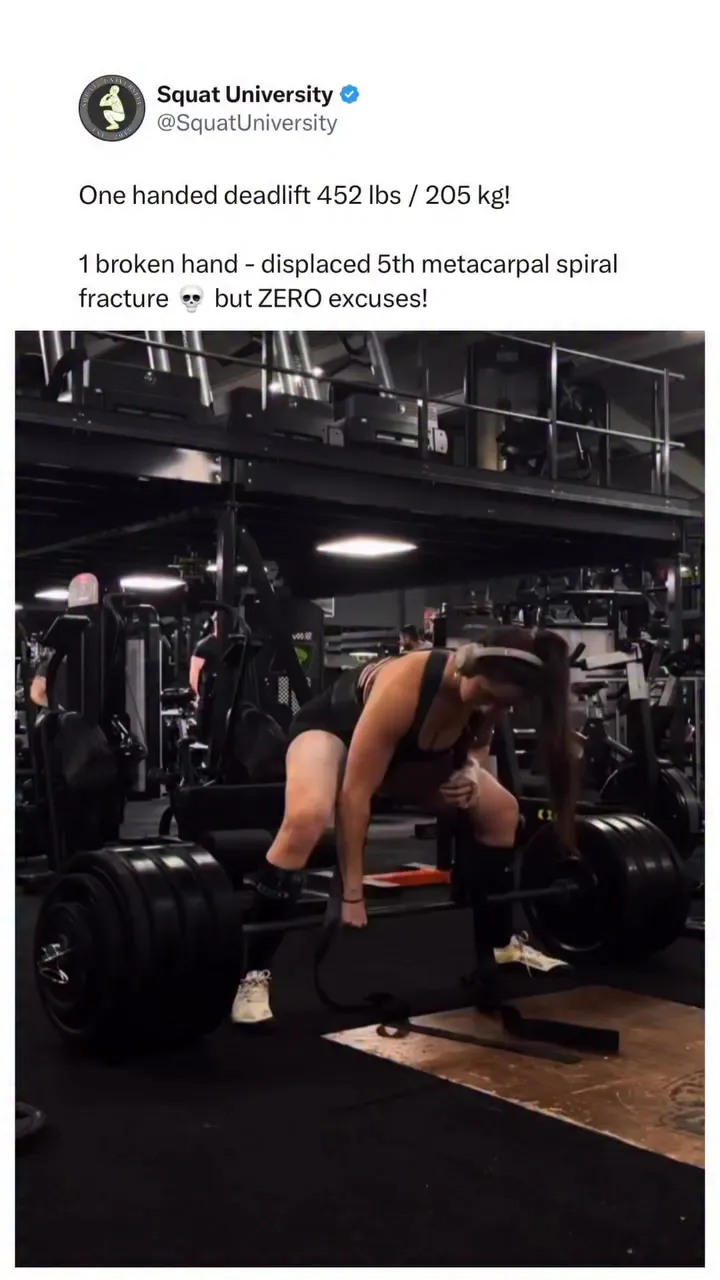
Sophia Strength's Badass Lift, Reviewed by Squat University
Squat University's Dr. Aaron Horschig spotlights @sophiastrength performing an impressive lift, calling her a "badass" for the display of strength. The short clip is a shoutout post rather than a coaching breakdown, celebrating the lifter's performance within the strength training community.
-
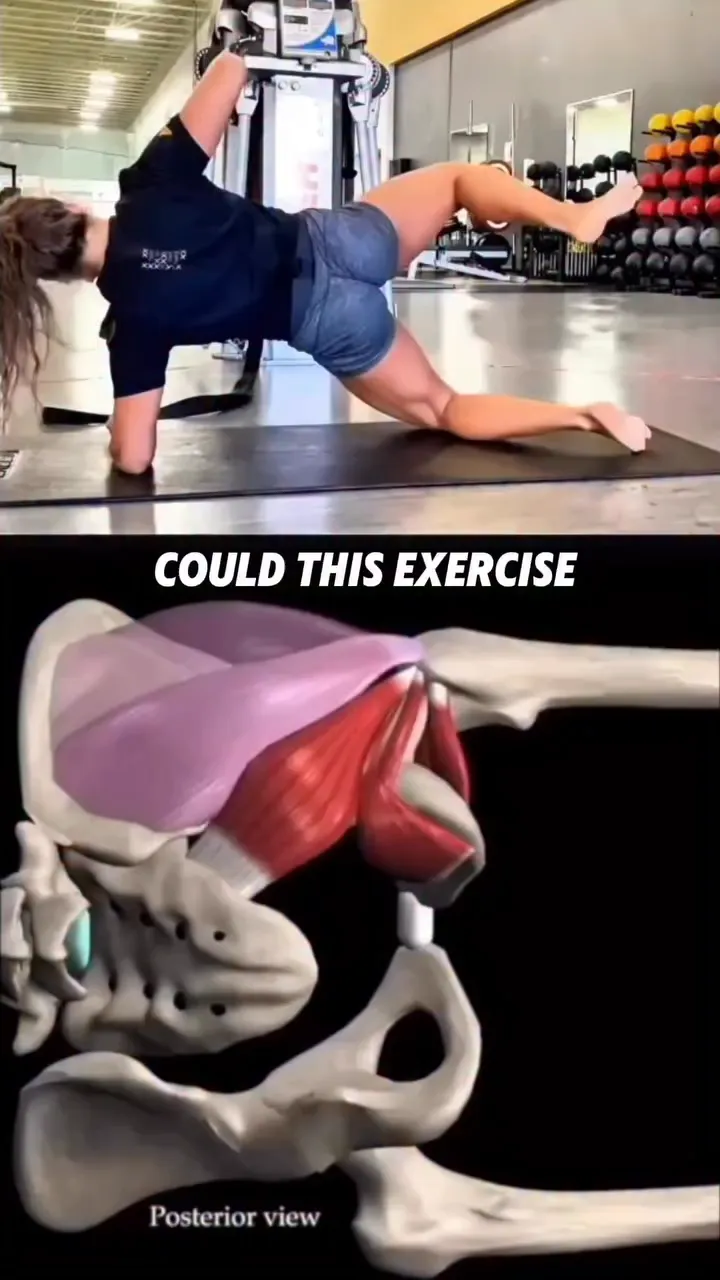
DNS Star Exercise: Fix Knee Pain from Hip Instability
Squat University breaks down how he helped a patient who couldn't perform a single leg squat without severe left knee pain. Instead of standard glute-strengthening moves, he used the DNS Star, an exercise that trains the core, hips, and pelvis to stabilize together during movement.
-
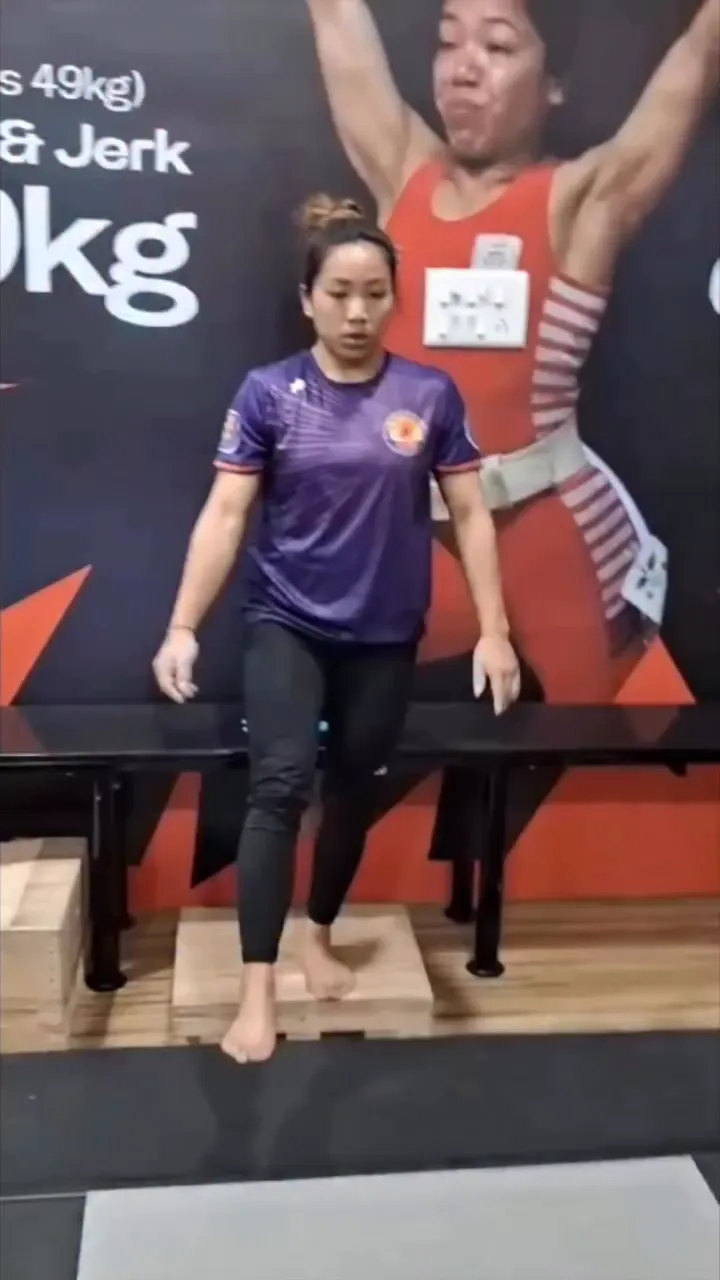
Knee Pain Rehab: Why Your Hip Might Be the Real Cause
Dr. Aaron Horschig of Squat University explains how he treated Olympian Mirabai Chanu's knee pain by targeting her hip stability instead of her knee. Using a single-leg glute bridge test and a banded Cossack squat, he shows how a posterior chain stabilization dysfunction can make the knee take the blame for a hip problem.
-
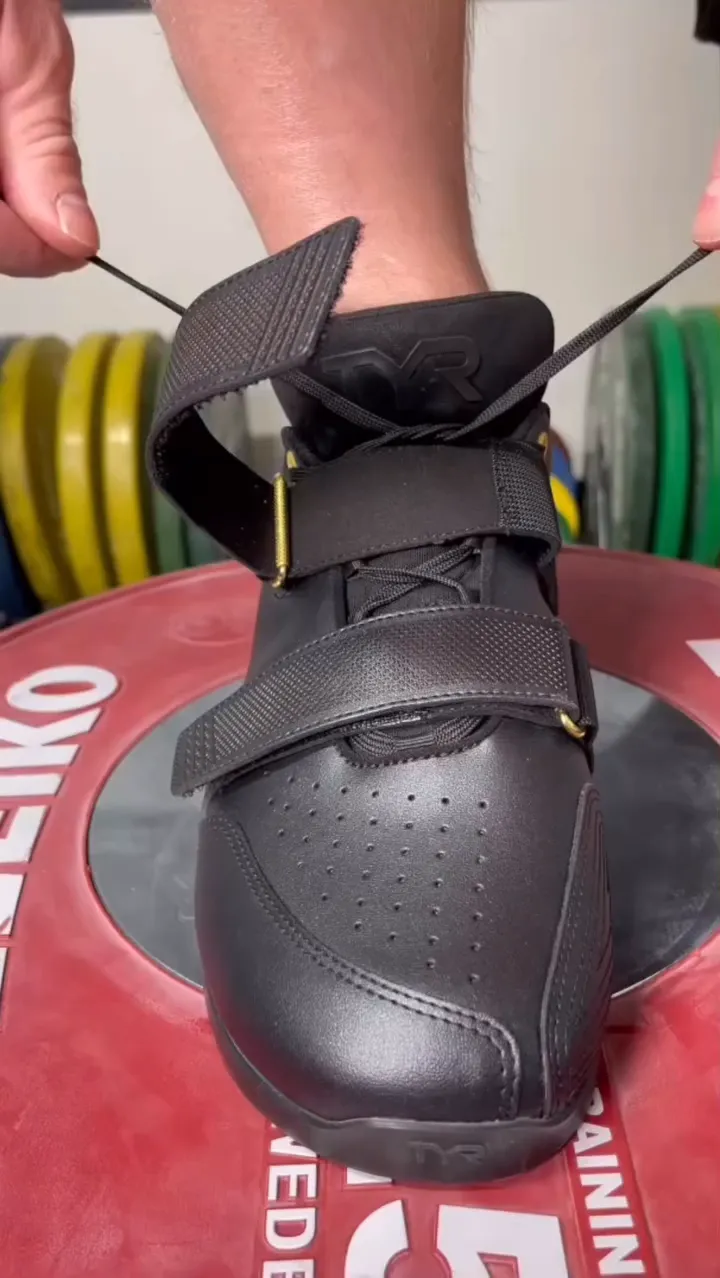
TYR Force Elite Carbon Lifter: Full Shoe Breakdown
Squat University's Dr. Aaron Horschig breaks down the TYR Force Elite Carbon Lifter, a weightlifting shoe he co-designed with TYR Sport featuring a carbon fiber power plate and the wide toe box he introduced on the earlier L1 lifter. He explains why narrow lifting shoes hurt stability and technique, and calls the Force Elite the best-feeling shoe he's worn since 2001.